
 ΔΕΙΤΕ ΠΡΩΤΟΙ ΟΛΑ ΤΑ ΝΕΑ ΤΟΥ TRIBUNE ΣΤΟ GOOGLE NEWS
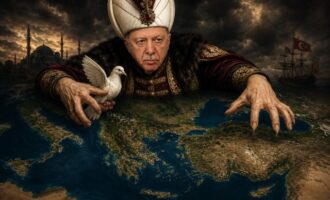
The rhetoric of Turkish President Recep Tayyip Erdogan is drawing fierce backlash and condemnation, with regional analysts and circles decrying a “neo-Ottoman hypocrisy” that has crossed all lines.
At the heart of the criticism lies the stark contradiction between Ankara’s attempts to position itself as a guarantor of peace and the reality of its revisionist strategy.
As observers point out, Turkey maintains an illegal military presence and occupies territories in Cyprus, Syria, Iraq, and Libya, while actively driving the demographic and cultural Turkification of these occupied areas.
Furthermore, Ankara faces severe allegations regarding its links to and support for extremist and terrorist organizations, including Al-Qaeda, ISIS, and Hamas.
These actions form part of a broader framework aimed at reviving the Ottoman Empire and fulfilling the country’s ambition to establish itself as the hegemonic power in the Eastern Mediterranean and the Balkans.
In response to this regional expansionism, a powerful united front is taking shape. Greece, Cyprus, Israel, and the majority of the Gulf Arab states are aligning to contain these neo-Ottoman ambitions.
Armed with the necessary military capability, financial resources, and political resolve, this coalition appears determined to decisively counter the Turkish threat, viewing the Kurdish element as a potential ally in this shared struggle.